

What Should Canastota, NY Residents Know About Roof Repairs During a Health Crisis or Emergency?
During COVID-19 or similar crises, roof damage doesn't wait, but typical repair routines may need adjustment. Local households should prioritize health, safety, and compliance with public health guidelines while addressing roof issues as effectively as possible.
In Canastota, weather conditions—ranging from heavy winter snow to occasional summer storms—can cause leaks, shingle loss, or other minor issues. Responding promptly, even during a crisis, is vital for preventing further damage to insulation, framing, or interiors.
Are Roof Repairs Safe to Attempt Without Professional Help in a Crisis?
For minor repairs, many Canastota homes with single-story roofs or accessible garages can safely handle small patching or gutter clearing tasks when following basic precautions. However, serious conditions like structural sagging, electrical risks, or widespread leaks should not be managed alone, regardless of the situation. In emergencies where professional service is unavailable, minimizing water intrusion with tarps or buckets and limiting interior exposure often protects homes until lasting repairs can be made.
Consider these safety basics for self-managed work:
- Only climb onto a roof if you have a stable ladder, slip-resistant shoes, and a spotter if available.
- Avoid repairs during wet, icy, or windy conditions common in the region.
- Never attempt electrical-related repairs or major structural fixes.
- Review local advisories or public health orders before arranging any outside help.
How Can Repairs Be Managed With Social Distancing or Quarantine in Effect?
If residents must coordinate with third parties, curbside communication and digital tools can keep contact to a minimum. Residents can provide photos, videos, or written descriptions of roof damage using smartphones or email to secure accurate advice while maintaining distance.
Set up outdoor handwashing stations or provide wipes when materials are delivered or helpers are present. Remain indoors while work is performed and choose contactless payment options if necessary.
What Supplies Should Be On Hand for Unexpected Roof Issues?
Area households can keep a basic repair kit in case supply stores have limited hours or stocks. A small selection of tools and materials may bridge the gap until normal service resumes.
Consider stocking:
- Heavy-duty plastic sheeting or tarps
- Roofing nails or weighted objects (to secure coverings temporarily)
- Duct tape or waterproof tape
- A sturdy ladder appropriate to your home’s height
- Work gloves, masks, and safety glasses
This “emergency kit” allows residents to quickly cover exposed areas and minimize water intrusion after a storm or during leak discovery, without undertaking risky full repairs.
How Do Local Weather and Housing Affect Emergency Repairs?
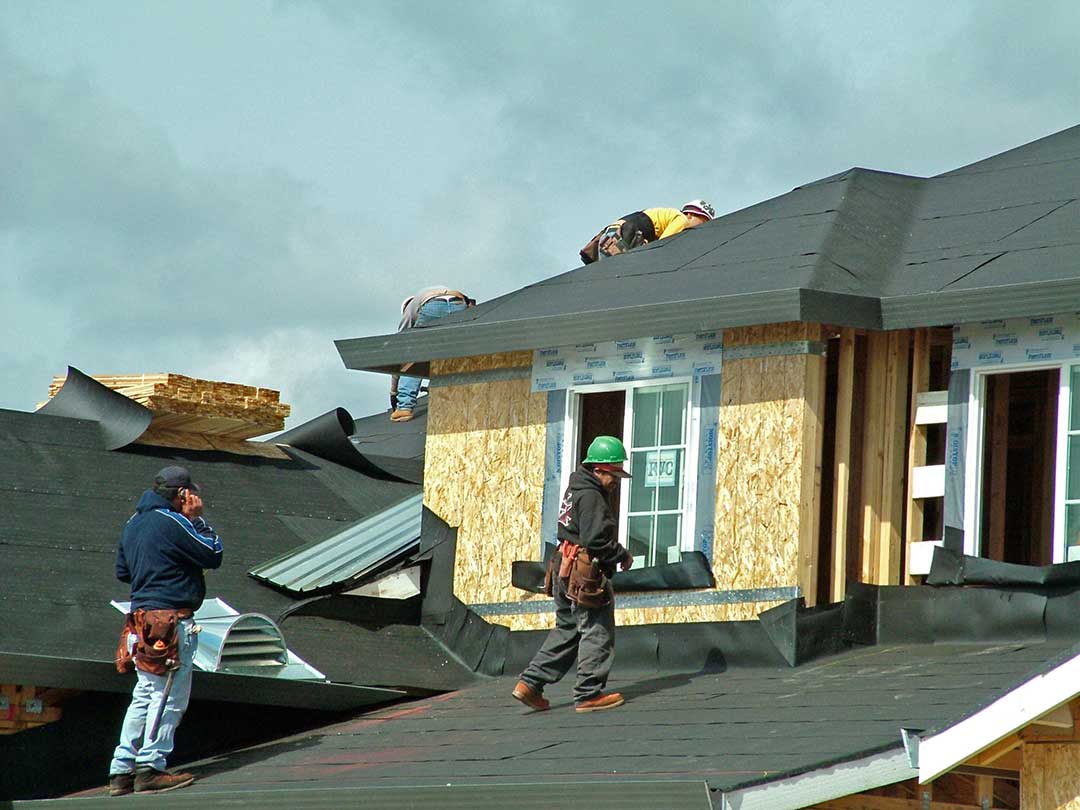
In Canastota, snow load and freeze-thaw cycles frequently lead to ice dams, which cause roof leaks in winter. Spring and summer bring the risk of wind or hail damage. Homes with aging shingles—common in local neighborhoods—may be particularly vulnerable to wind-driven rain.
Residents are encouraged to check attics for wet insulation or staining during storms, as leak signs are often less obvious from outside. Clearing leaves and debris from gutters before winter, and cutting back overhanging branches, helps prevent common crisis-triggered problems.
What Rules or Guidance Exist Around Roofing Work During a Pandemic?
During statewide emergencies or health crises, non-essential construction activity may be paused, but immediate repairs to prevent property damage are usually permitted. Before proceeding with any work, check local municipal announcements or county websites for temporary restrictions that may affect travel, supply access, or contractor work.
Respect any posted guidelines about allowable interactions or temporary closures, and avoid scheduling non-urgent work until local authorities indicate it is permitted.
What Are Common Mistakes Residents Make When Handling Roof Damage in Emergencies?
Some area households focus only on exterior damage, overlooking attic leaks or ceiling stains. Others use household plastic sheeting not designed for outdoor use, which quickly degrades in sun or wind.
- Don’t use salt to melt ice dams—it can damage shingles and vegetation below.
- Nail down tarps only if it’s safe; using heavy objects is sometimes safer for temporary coverage.
- Avoid overreaching on ladders or working alone where falls are possible.
Seasonal awareness—especially during freeze-thaw cycles—may help prevent the need for urgent repairs in the first place.
Where to Find Reliable Information or Community Support
When possible, consult official municipal, county, or public safety channels online for updates about service changes or available programs. Peer groups, neighborhood associations, or local social media groups often share tips for sourcing supplies or navigating disruptions.
Photo guides, how-to videos, or repair manuals available online often help demystify small repairs, especially when professional help isn’t an immediate option.
By preparing with a realistic plan and basic emergency supplies, Canastota area residents can safely manage minor roof repairs until regular routines return.
