

Why Do Homeowners in Canastota, NY Need to Worry About Rooftop Safety?
Roof work—whether it involves clearing gutters, checking for leaks, or removing moss—brings real safety risks for homeowners in Canastota. The area's mix of icy winters, leaf-heavy falls, and windy springs creates extra hazards that make rooftop safety more important and sometimes more challenging than in other regions.
Local homes often feature steep pitches, older materials, and sometimes tight spaces between properties, adding complexity to even simple maintenance tasks. Awareness of these local conditions helps households avoid the most common pitfalls.
Is It Ever Safe for Homeowners to Go on the Roof Themselves?
It can be safe for homeowners to do basic, low-risk work on their roofs if they’re physically able and conditions are favorable, but only if they’re prepared and cautious. Not every task is suitable for DIY; anything involving significant repairs, fragile surfaces, or dangerous slopes should be left to trained specialists.
Canastota’s seasonal conditions, especially during icy, snowy, or rainy weather, make slipping a serious threat. Even something as routine as cleaning leaves out of gutters should be carefully evaluated based on roof height and structure.
What Personal Protective Equipment (PPE) Is Recommended?
Using the right gear is one of the simplest ways to increase safety. For most routine tasks, homeowners should consider:
- Sturdy, non-slip shoes or boots with good ankle support (avoid sandals or smooth-soled shoes)
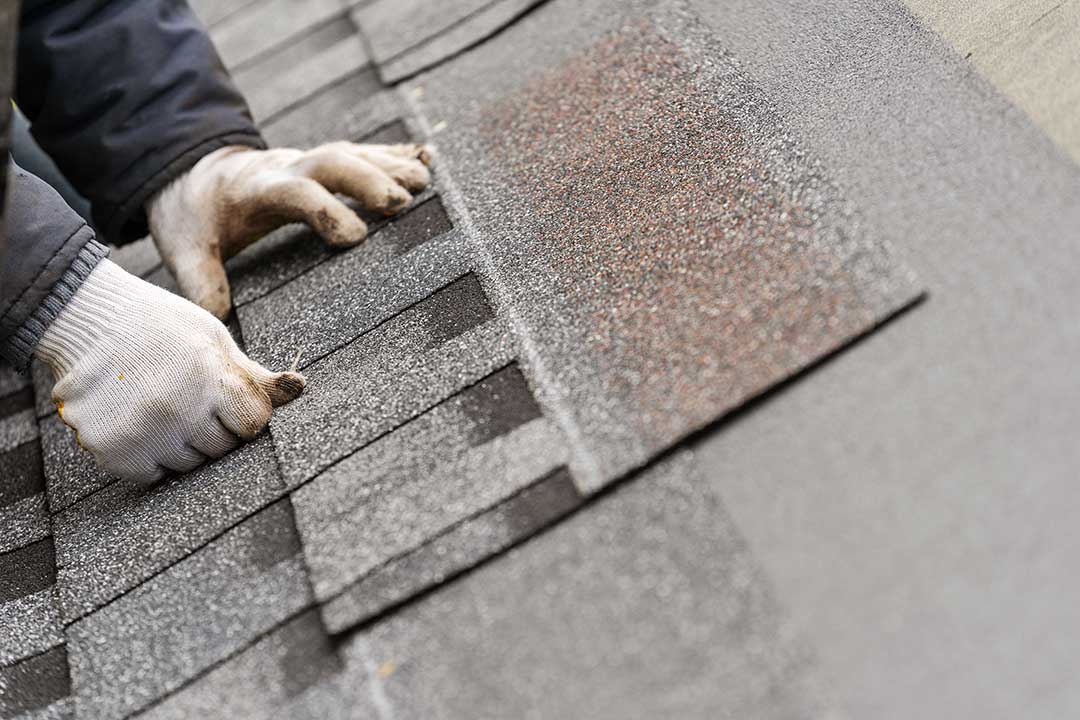
- Heavy-duty work gloves to protect against sharp shingles, nails, or rough edges
- Eye protection if using tools, scraping moss, or clearing debris that could fly upward
- A well-fitted safety harness and lifeline if any part of the roof is above one floor
- A helmet when working near edges or using ladders, protecting against falling objects or head impacts
While it’s tempting to skip PPE for “quick” tasks, accidents can happen in moments—especially if distractions or unexpected movement occur.
How Can Weather and Seasonal Changes Affect Rooftop Safety?
Weather is one of the greatest safety risks for area residents. The city sees freeze-thaw cycles, wind gusts, sudden showers, and lingering moisture, all of which affect traction. Many injuries happen when surfaces that look dry are in fact slippery, especially on north-facing roofs or spots shaded by trees.
If there has been rain, snow, or frost within the last 24 hours, wait for the roof to dry before attempting any work. Spring and autumn winds can knock tools out of hand or shift ladders, so always secure gear and avoid working when gusts are forecast.
During winter, ice dams and snow buildup are best addressed from the ground if possible. Using a roof rake with a long pole is much safer than climbing up to clear snow physically.
What Ladder Safety Tips Should Local Residents Follow?
Most falls occur during ascent or descent, not while on the rooftop itself. Using ladders with care is a must:
- Always use a stable, non-damaged ladder on firm, level ground—avoid soft lawns or sloping driveways.
- The base should extend about one foot away from the home for every four feet of ladder height.
- The ladder should extend at least three feet beyond the roof edge, giving a handhold during transitions.
- Have another person hold the ladder base whenever possible.
- Never lean out to the side while on the ladder; instead, climb down and reposition as needed.
Aluminum ladders can also conduct electricity, so keep an eye out for any overhead lines—especially if trimming branches or cleaning gutters.
What Are the Most Common Overlooked Hazards for Local Roofs?
Some hazards aren’t as obvious as loose shingles or missing nails:
- Wet leaves, pine needles, or moss can create extremely slick zones, even after dry spells.
- Skylights often blend in with the roof and may not be built to support a person’s weight. Always step around these areas.
- Power lines over homes and garages are sometimes hidden by foliage; check the perimeter before beginning.
- Wasps, hornets, or other insects sometimes build nests in eaves or attic vents, leading to stings and sudden falls.
Double-check these risk factors as part of your pre-climb routine, not just after you’re on the roof.
What Steps Should Area Homeowners Take Before Starting Any Roof Task?
Preparation makes the biggest difference in safety:
- Check the weather forecast—not just for the day, but for a few hours after you expect to finish.
- Let someone know you’ll be working outside and what time you expect to finish.
- Assemble all needed tools and supplies first to avoid extra trips up and down the ladder.
- Clear the area below the workspace of any objects or people, particularly children and pets.
- Review the roof’s structure for loose shingles, weak spots, or other hazards before stepping out.
Careful planning keeps tasks as short and smooth as possible, which limits exposure to both falls and fatigue.
When Should Residents in the Community Avoid Climbing Onto a Roof Entirely?
Safety should always come first. Certain conditions mean homeowners should not attempt to go onto their roofs:
- Any roof angle steeper than 6:12 (six inches of rise per twelve inches of run) for most untrained people
- Surfaces with clear signs of rot or structural compromise (like sagging sections or broken decking)
- The presence of wildlife, active wasp nests, or aggressive pets nearby
- Abnormal roof heights or multi-story falls that could result from a slip
- Icy, snowy, wet, or very windy conditions—regardless of time of year
In these cases, handling the issue from the ground or seeking assistance is much safer.
How Can Households in the Area Make Routine Maintenance Safer?
Proactive care reduces the need for risky climbs. Residents can:
- Regularly trim trees and large shrubs away from the roof edge to limit debris buildup
- Schedule gutter cleaning and visual inspections during clear, dry days only
- Use binoculars from the ground to spot obvious shingle or flashing problems before considering access
- Consider installing gutter guards to reduce cleaning frequency
Small preventive steps can help keep roofs healthy—often with less need for hazardous climbs in the first place.
