
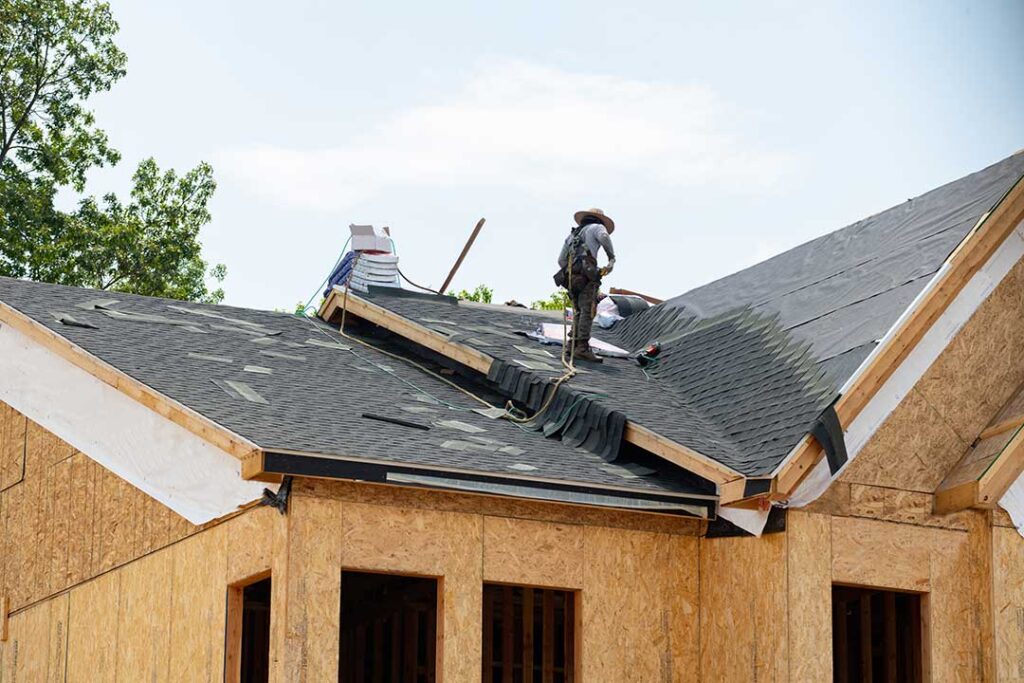
What Does a Roof Warranty Really Cover?
A roof warranty typically provides assurances against specific types of failures or defects in roofing materials or workmanship. Homeowners in Canastota, NY often confuse what is actually protected and for how long.
There are two main types of roof warranties:
- Material (Manufacturer) Warranty: Covers defects in roofing products, such as shingles, underlayments, or membranes. If the material fails under normal weather conditions, the manufacturer may repair or replace it.
- Workmanship (Installation) Warranty: Covers errors made during installation. If improper flashing, poor nail placement, or incorrect ventilation leads to leaks or issues, this warranty usually comes from the contractor or installer.
In most cases, these warranties have limitations regarding coverage scope, duration, and transferability. Not all roof damage or leaks qualify for a warranty claim.
How Long Do Roof Warranties Last for Homes in Canastota, NY?
Warranty durations often range from a few years to several decades. In Canastota, standard manufacturer warranties for asphalt shingles are often listed as "25-year" or "lifetime," but the practical coverage period may be shorter.
- Material warranties: Many asphalt shingles offer limited lifetime coverage, but “lifetime” may mean only as long as the original homeowner owns the house, or up to a maximum set number of years.
- Workmanship warranties: These typically run from 1 to 10 years, depending on the installer. For new builds in the area, some local codes or builder agreements may stipulate a minimum coverage period.
Always verify specific start dates, end dates, and conditions that might void coverage (e.g., improperly installed satellite dishes, attic ventilation changes, or unapproved roof modifications).
What Is Commonly Excluded from Roof Warranty Coverage?
Roof warranties aren’t all-inclusive. Many issues common to Canastota’s seasonal climate and housing stock are excluded from standard programs.
Typical exclusions include:
- Damage from ice dams or standing water, especially if the attic is underinsulated or poorly ventilated
- Leaks from wind-driven rain if shingles are missing due to severe storms
- Impact from branches, hail, or animals (squirrel or raccoon damage is frequent in wooded neighborhoods)
- Problems caused by roof-mounted equipment like solar panels, TV dishes, or HVAC units, unless properly installed per warranty terms
- Cosmetic changes, such as fading, staining, or minor granule loss
- Poor gutter maintenance leading to overflows or backup
Understanding these limitations helps avoid surprises during local freeze-thaw cycles, spring storms, or rapid temperature changes, which are common in the region.
How Can Homeowners in Canastota Check Their Existing Warranty Status?
If you’re unsure about your roof’s warranty, take these steps:
1. Review House Documents: Check the closing paperwork, receipts, or binders given at move-in or after a re-roofing job. The warranty document should outline duration, covered materials, and installer terms.
2. Look for Manufacturer Info: Many shingle bundles have a manufacturer and product name stamped on the underside or ridge.
3. Online Registration: Some manufacturers allow registration and lookup online, provided you have batch numbers, addresses, and installation dates.
4. Ask Former Owners: For homes bought from previous owners, warranty transfer may require paperwork—often within 30-60 days of property transfer.
Don’t overlook the fine print: Most warranties require regular maintenance records. Repairs made outside of warranty procedures may void future claims.
What Steps Should Area Residents Take If They Suspect a Warranty Issue?
If you witness leaks or roof issues, act with care:
- Document everything—take dated photos of the damage and any proof of regular maintenance, such as receipts for vent cleaning or gutter clearing.
- Locate your warranty paperwork. Many claims require submitting within a set window after discovering the problem (sometimes as short as 30 days).
- Read the specific claim process. Some warranties require using approved materials or authorized repair personnel, especially for major replacements.
- Avoid making significant repairs until you’ve confirmed whether a claim should be initiated, as self-fixes could impact eligibility.
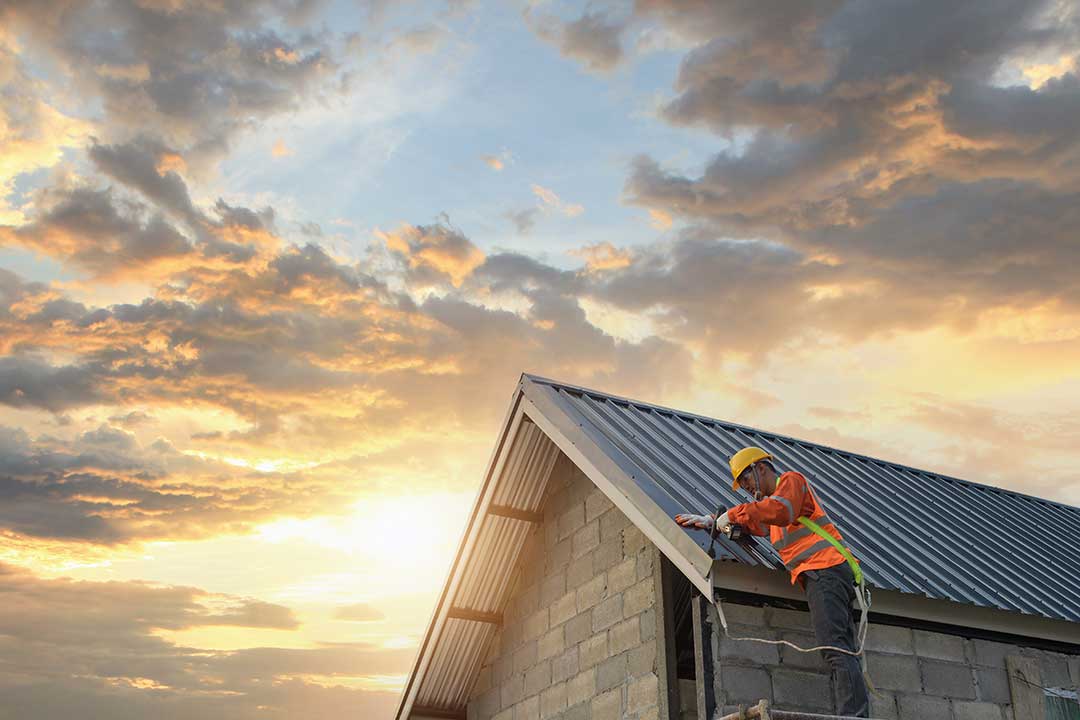
If significant safety concerns exist (such as structural instability or attic electrical exposure due to water), it is safer to stay out of the attic or off the roof until the area is stabilized.
What Misconceptions Do Local Homeowners Have About Roof Warranties?
Several common myths often lead to unexpected expenses or disputes:
- Many residents believe a “lifetime” label means coverage for as long as the home exists, but it often applies only to original owners.
- Warranties rarely cover indirect interior damage (like water stains or ceiling repairs) unless explicitly stated.
- Routine maintenance (clearing moss, replacing a few damaged shingles after a windstorm) is rarely covered but is still typically required to keep warranties valid.
- Filing a warranty claim is not always quick or automatic. Supporting documentation and proof of compliance with all requirements are usually needed.
For Canastota’s aging housing stock, always review warranty transfer conditions, as failing to file proper paperwork during a home sale is a common reason for denied future coverage.
What Should Be Included in Your Roof Maintenance and Records?
Keeping your warranty valid hinges on consistent, well-documented maintenance:
- Take seasonal photos of roof condition, especially before and after harsh winter weather or big storms.
- Keep records of all maintenance activities—cleaning gutters, removing debris, checking for animal nests, or patching minor shingle trouble.
- Use only approved materials and follow manufacturer guidelines for any roof work.
- Save receipts and inspection reports from credible sources, as they may be needed if a claim arises.
In climates like Canastota’s, where snow loads or ice dams are frequent, detailed records are especially valuable if warranty coverage ever comes into question.
