
What Are Local Building Codes and Why Do They Affect Roofs?
Local building codes in Canastota, NY are rules established by municipal and state authorities that set minimum standards for the construction, alteration, and maintenance of structures—including roofing. These codes exist not just for paperwork, but to keep homes safe, resilient, and suitable for the area’s unique climate and living patterns.
Every region faces different risks and challenges. For Canastota, heavy snow loads in winter, seasonal freezing, and periodic summer storms all influence how a roof should be built or repaired. Local codes make sure that any roofing work stands up to these challenges and fits the expectations of the community.
How Do Building Codes Protect Homes in Canastota?
Meeting local codes helps roofs withstand snow, wind, and moisture common in the region. These rules aren’t arbitrary: they’re updated regularly to reflect changing weather patterns, materials, and safety knowledge.
- Snow Loads: Roofs in this part of Central New York must support enough weight to prevent collapse from heavy, wet snow. Codes set minimum design loads based on historic snowfall data.
- Wind Resistance: The codes require roofing materials and fastening methods proven to resist local wind speeds. This helps prevent shingles from blowing off or being damaged in sudden storms.
- Water Management: With freeze-thaw cycles and rainfall, codes may require underlayment, ice-barrier membranes, or drip edges to channel water away and prevent leaks or ice damming.
- Fire Safety: Some rules specify fire-rating standards, especially if roofs are near trees or other structures, to reduce the spread of accidental fires.
By following these requirements, residents help ensure their homes remain safe and insurable, while also protecting the wider community from preventable hazards.
Are Building Codes the Same Everywhere?
No, building codes differ significantly from place to place. While many towns in New York State adopt versions of the International Residential Code (IRC), local officials in Canastota may add or modify sections based on historical experience.
For example, a roof that meets standards in a mild coastal town may not perform well in a snowy spot like Canastota. Here, local amendments to the code might:
- Increase the required snow load rating
- Mandate specific materials known to work well in freeze-thaw cycles
- Adjust rules for attic ventilation to reduce the risk of mold from damp winters
That’s why it’s never enough to follow generic instructions or advice from other regions. Area residents should check with the local code enforcement office or reliable public references specific to Canastota before making roofing decisions.
What Happens If a Roof Doesn’t Meet Code?
A roof that doesn’t meet local code may face several immediate and long-term problems:
- Failed Inspections: Permits are often required for new roofs or major repairs. If an inspection reveals non-compliance, the roof may have to be re-done correctly before it is approved.
- Insurance Issues: Home insurance policies often require that work meets code. If damage occurs and the roof was not compliant, claims might be denied, resulting in unexpected costs.
- Reduced Safety: A non-compliant roof may be at higher risk for leaks, collapse, or fire—potentially endangering those living in the home and neighboring properties.
- Complications at Sale: When selling, properties are often inspected for code compliance. Any roofing issues can delay or disrupt the process.
Mistakenly assuming that any roof will do, or using out-of-date information, can create lasting trouble for area households.
When Are Permits and Inspections Needed?
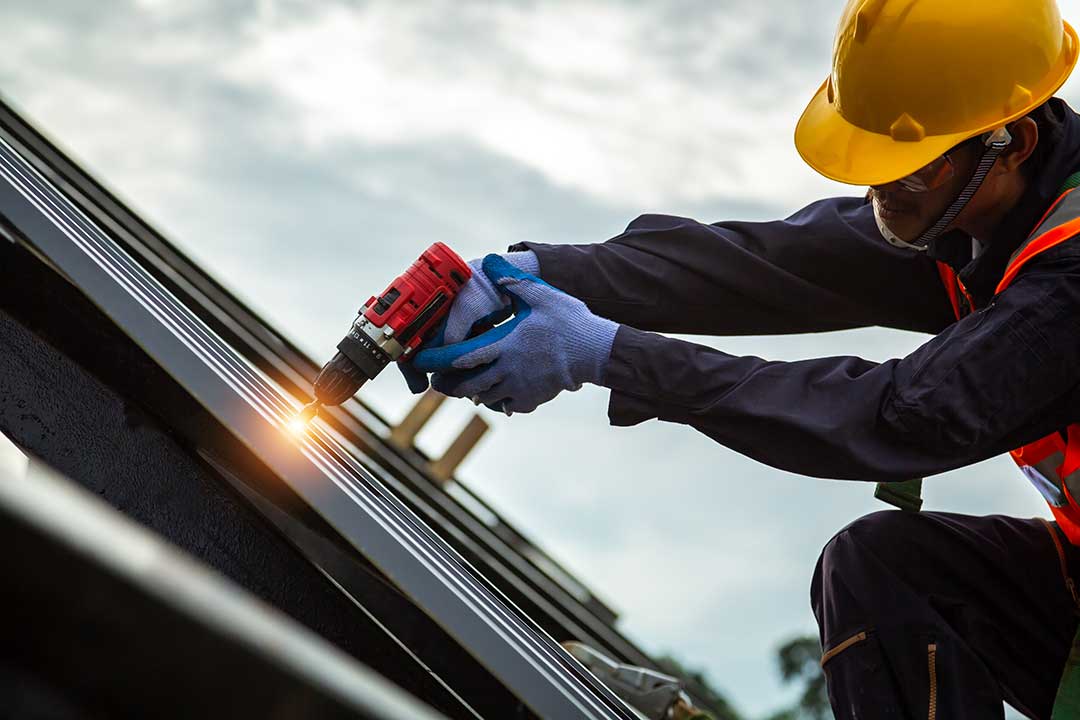
For most substantial roofing jobs in Canastota, a permit is required to start work. This rule applies to full roof replacements, structural repairs, or significant changes to the roof’s shape or material. Minor repairs (like replacing a few shingles) often don’t need a permit, but it’s wise to check with officials.
After work is complete, an inspection by a local code official ensures the roof meets safety and quality standards. Passing inspection not only protects the homeowner legally, but confirms the roof can stand up to local weather conditions.
Common Misconceptions About Roofing Codes
Residents sometimes assume that codes are just bureaucratic hurdles or only matter for major construction, but this isn’t the case in the community.
- “My home is older, so codes don’t apply.” Codes usually apply to any new work, regardless of the building’s original age.
- “The same shingle I used last time is always fine.” Product standards change, and local suppliers might update offerings based on code or climate evolution. Always check that products remain approved.
- “No one checks up on small jobs.” Even if not officially inspected, roofs out of code can still risk insurance denial or safety issues.
- “Templates from other towns work here.” Regional differences matter; always use information specific to Canastota and check for the latest local code amendments.
How Can Residents Make Sure Their Roof Complies?
- Plan Ahead: Before starting any roofing project, review the local building department’s guidelines—their staff can clarify permit needs, inspection steps, and recent changes.
- Document Everything: Keep copies of permits, approvals, and inspection reports for as long as you own the home. This makes insurance or resale smoother.
- Verify Materials: Use roofing materials with documentation that shows compliance with current code standards for snow, wind, and fire safety.
- Stay Current: Building codes are updated every few years. Even if you did a project several years ago, standards may have changed, especially as climate events become more unpredictable.
By understanding and respecting the community’s building regulations, local households protect their investments and contribute to the area’s collective safety and durability.
