
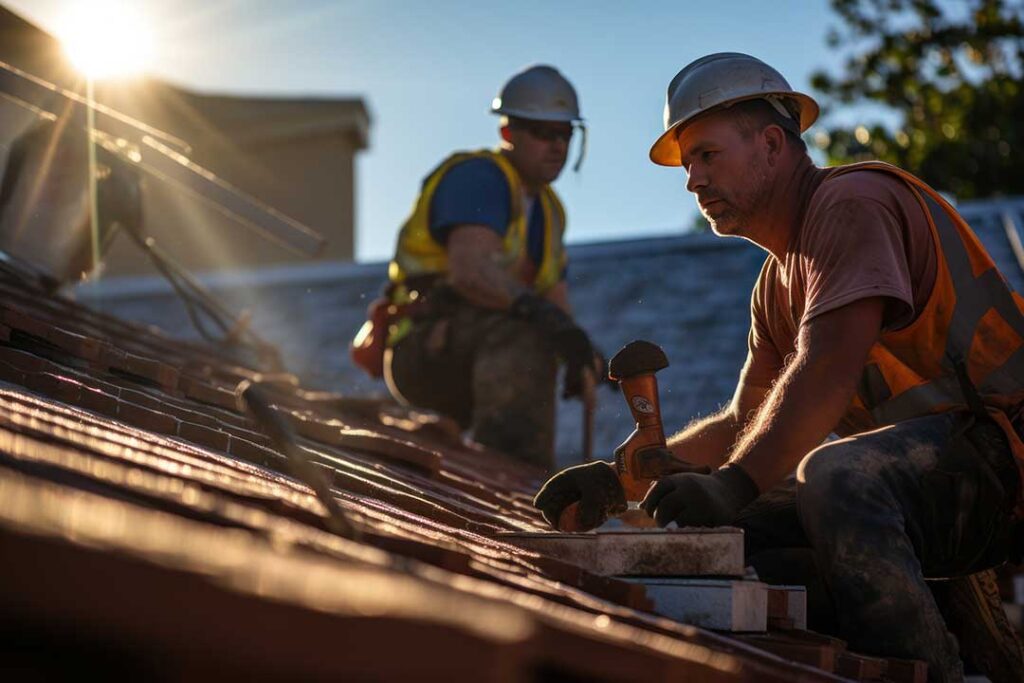
A new roof can reduce indoor allergens by stopping water intrusion, limiting hidden mold growth, and improving the building envelope around the attic and upper floors. Roofing alone does not remove every airborne irritant, but a properly designed and installed roof can address several conditions that allow allergens to enter or multiply inside a home.
For households in Canastota, NY, seasonal snow, rain, ice, humidity, and freeze-thaw cycles can make roof performance especially relevant to indoor air quality. Small leaks may not always appear as a ceiling stain. Moisture can remain in attic insulation, roof decking, wall cavities, or around ventilation pathways long before the problem becomes obvious.
How can a new roof reduce allergens indoors?
A new roof can reduce allergens primarily by preventing moisture from entering the home. Persistent moisture supports mold and mildew, which can release spores into the air. Water entry can also damage insulation and wood components, creating dusty or damp conditions that worsen respiratory irritation.
A well-installed roofing system may help by:
- Replacing worn or damaged roof coverings
- Sealing areas around roof penetrations and flashing
- Correcting water-shedding problems
- Improving attic ventilation
- Reducing damp insulation and concealed moisture
- Limiting openings where outdoor dust and debris can enter
The benefit depends on the entire roofing system, not simply the visible shingles. Underlayment, flashing, ventilation, edge details, and roof-to-wall transitions all affect how well the home stays dry.
Can roof leaks cause indoor mold and allergy symptoms?
Yes. A roof leak can contribute to indoor mold growth when building materials remain damp for an extended period. Mold may develop on roof decking, insulation, rafters, drywall, or other nearby materials. Air movement through the attic or wall cavities can then spread particles into living areas.
Possible warning signs include:
- Musty odors near upper-floor ceilings or attic access panels
- Brown, yellow, or irregular ceiling stains
- Damp or compressed insulation
- Peeling paint or bubbling drywall
- Visible discoloration on rafters or roof decking
- Worsening symptoms during or after rainy weather
Mold exposure can cause different reactions in different people. Some residents may notice sneezing, congestion, coughing, itchy eyes, or throat irritation. These symptoms can have many causes, so a roof problem should not be assumed to be the only explanation.
Why does attic ventilation matter for allergens?
Attic ventilation helps control heat and moisture above the living space. Without adequate airflow, warm indoor air can condense on cold roof surfaces during colder months. In warmer weather, trapped heat can raise attic temperatures and contribute to material deterioration.
A balanced ventilation system generally includes intake airflow near the lower roof edge and exhaust airflow near the upper roof area. The exact design depends on the roof shape, insulation arrangement, and building construction.
Poor ventilation can contribute to:
- Condensation on nails and roof decking
- Damp insulation
- Mold growth in attic materials
- Premature deterioration of sheathing
- Higher indoor humidity near upper floors
Ventilation should not be treated as an automatic solution for every attic problem. If air leaks from the living space into the attic, insulation is missing, or bathroom fans discharge into the attic, those conditions must also be addressed.
Does a new roof reduce dust and outdoor allergens?
A new roof may reduce some pathways for outdoor particles, but it does not function as an air filter. Gaps around flashing, roof penetrations, soffits, and attic access points can allow dust, pollen, and debris to enter indirectly, particularly when the attic is connected to the living space through openings.
Roof replacement may help when existing components are deteriorated, displaced, or poorly sealed. However, indoor dust can also enter through doors, windows, crawl spaces, ductwork, floor gaps, and attached garages. Keeping a home comfortable for people with allergies usually requires attention to the whole building envelope.
Roofing-related improvements are most useful when combined with:
- Sealing attic bypasses around wiring, plumbing, and light fixtures
- Maintaining properly fitted attic insulation
- Keeping soffit and roof vents clear
- Repairing damaged screens or vent covers
- Using exhaust fans that discharge outdoors
- Replacing water-damaged porous materials when necessary
What roof problems are common after winter and heavy rain?
Freeze-thaw cycles can gradually stress roofing materials and flashing. Snow and ice may also expose weak areas that were not noticeable during dry weather. Heavy rain can reveal problems around chimneys, vents, skylights, valleys, and roof edges.
After severe weather, residents may notice:
- Loose or missing roof-covering materials
- Lifted flashing
- Damaged vent components
- Blocked or displaced drainage paths
- Water marks in the attic
- Granules or roofing debris near downspouts
A roof does not need to be visibly collapsed or severely damaged to affect indoor moisture. Small, recurring leaks are often more relevant to mold risk than a single obvious event because materials may remain damp between storms.
Will replacing the roof remove existing allergens?
No. Replacing the roof can stop or reduce the source of moisture, but it will not automatically remove mold spores, contaminated insulation, settled dust, or damaged drywall already inside the home.
If moisture damage is found, the affected materials may need to be dried, cleaned, or removed according to the extent of contamination. Porous materials such as insulation, ceiling tile, and some drywall can be difficult to restore once they have been saturated or heavily contaminated.
A roof replacement should therefore be viewed as source control. Cleaning and moisture correction are separate steps. If visible mold covers a large area, the odor is strong, or anyone in the household has significant respiratory sensitivity, assessment by a qualified building or environmental professional may be appropriate.
How can homeowners tell whether the roof is affecting indoor air quality?
Start with a visual inspection of accessible areas rather than relying only on symptoms. Look at the attic after rainfall and during colder weather, when condensation may be easier to spot. Check for damp insulation, darkened wood, water trails, or mold-like growth.
Useful questions include:
- Does the odor become stronger after rain?
- Are stains appearing or expanding?
- Is indoor humidity unusually high?
- Does the attic have visible condensation?
- Are bathroom or kitchen exhaust fans vented outdoors?
- Is the roof covering near the end of its service life?
- Do symptoms seem worse on the upper floor?
A basic indoor humidity monitor can help identify moisture patterns. Excessively humid conditions can support mold and dust mites, while very dry conditions can also irritate the nose and throat. The goal is stable, moderate humidity rather than simply making the air as dry as possible.
What should be checked during a roof replacement?
A roof replacement is an opportunity to examine more than the outer covering. The following components deserve attention:
- Roof decking for rot, staining, or soft areas
- Underlayment and flashing at vulnerable transitions
- Attic insulation for dampness or compression
- Ventilation intake and exhaust paths
- Sealing around pipes, wiring, and attic openings
- Roof edges, valleys, and drainage routes
- Evidence of previous leaks or concealed repairs
Replacing damaged materials without correcting the source of water or condensation may allow the same indoor air problem to return. Likewise, adding ventilation without controlling air leaks can move moisture into the attic rather than solving it.
For area households, the most meaningful indoor-air benefit comes from a dry, well-ventilated roof assembly that is properly connected to the rest of the home. A new roof can be an important part of that improvement, especially when existing leaks, damp insulation, or deteriorated flashing are contributing to allergen concerns.
