
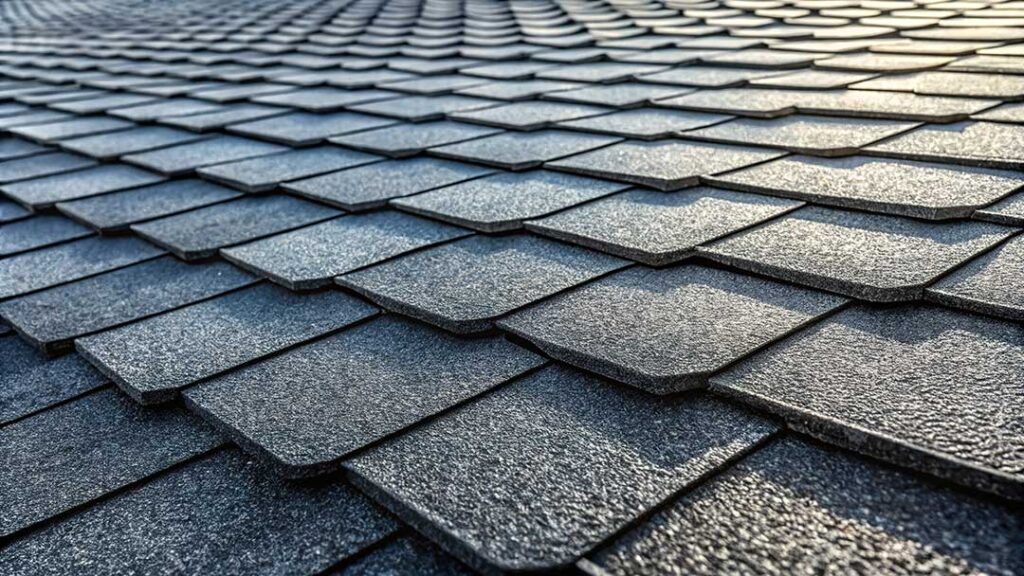
Weather affects a roof gradually, often through repeated exposure rather than one dramatic storm. In Canastota, NY, a roof may face heavy snow, freeze-thaw cycles, strong wind, spring rain, summer heat, ice buildup, and falling branches over the course of a year. Each condition creates different stresses, and several problems can develop at the same time.
How does winter weather damage a roof?
Winter weather can damage roofing through snow weight, ice formation, freezing temperatures, and repeated expansion and contraction. The most serious problems often begin when moisture enters a small weakness and freezes.
Snow itself is not always dangerous, but deep, wet snow is much heavier than light powder. Added weight can strain roof framing, especially on older homes, low-slope sections, porch roofs, garages, and additions. Warning signs may include sagging roof lines, sticking interior doors, new ceiling cracks, or unusual popping sounds.
Ice dams are another common winter concern. They form when heat escapes into the roof area and melts snow on the warmer upper portion of the roof. The water runs toward colder eaves, refreezes, and creates a ridge of ice. Water can then back up beneath roofing materials and reach insulation, ceilings, wall cavities, or trim.
Proper attic insulation and air sealing help reduce uneven roof temperatures. Adequate ventilation also helps release heat and moisture from the attic. However, ventilation does not remove the need to keep gutters, roof edges, and drainage paths clear.
What damage can freeze-thaw cycles cause?
Freeze-thaw cycles can widen small cracks and loosen roofing materials. Water enters a seam, crack, flashing joint, or porous surface, then expands as it freezes. When temperatures rise, the ice melts, leaving the opening slightly larger.
Over many cycles, this process can contribute to:
- Cracked or displaced shingles
- Loose flashing around chimneys, vents, and roof edges
- Deteriorated mortar or sealant
- Damaged gutters and downspouts
- Water infiltration around roof penetrations
- Rot in roof decking or fascia
A roof does not have to look severely damaged from the ground for moisture to be getting inside. Discoloration on attic wood, damp insulation, peeling ceiling paint, or a musty smell can indicate that water is entering before a visible ceiling leak develops.
How do spring rain and melting snow affect roofing?
Spring moisture exposes problems that may have developed during winter. Melting snow can combine with rain, clogged gutters, and saturated ground conditions to create prolonged wetness around the roof and foundation.
Rain is most likely to enter where roofing materials change direction or meet another surface. Common vulnerable areas include valleys, flashing, skylights, vent pipes, chimneys, dormers, and the edges of attached additions. A small defect in one of these areas may produce a leak several feet away from the visible interior stain because water can travel along roof decking, framing, or insulation.
Gutters are part of the roof drainage system. Leaves, ice, granules, and other debris can restrict flow, allowing water to spill over roof edges or collect near vulnerable joints. Downspouts that discharge too close to the foundation can also contribute to basement moisture and soil erosion.
Spring is a useful time to check for missing roofing materials, loose metal, sagging gutters, exposed fasteners, and damp attic areas. These observations can help distinguish ordinary seasonal moisture from a developing roof problem.
Can summer heat damage a roof?
Summer heat can accelerate aging, particularly when roofing materials are already weathered. Repeated heating and cooling cause materials to expand and contract, which can stress seams, sealants, flashing, and roof coverings.
Hot attic temperatures can also affect the underside of a roof. Without adequate insulation and ventilation, heat may build up in the attic and increase energy use. Excessive attic heat can contribute to premature deterioration of some roofing materials, while trapped moisture can encourage wood decay and mold growth.
Dark roof surfaces absorb more solar heat than light surfaces, but color is only one factor. Roof orientation, shade from trees, attic insulation, ventilation, roof pitch, and material condition also influence how hot a roof becomes.
Summer storms create a different set of risks. High winds can lift shingles, damage ridge caps, and move branches across the roof surface. Hail can bruise or fracture roofing materials, sometimes without creating an immediate leak. Heavy rain may reveal weak flashing or drainage problems that remain unnoticed during dry weather.
How does wind affect a roof?
Wind damage depends on speed, direction, roof design, material condition, and the presence of nearby trees. Wind does not need to remove an entire roof to cause trouble. A single lifted shingle can allow water beneath adjacent materials.
The most vulnerable areas often include:
- Roof edges and corners
- Ridge caps
- Loose or aging shingles
- Flashing around penetrations
- Sections near overhanging trees
- Older additions with different roof slopes
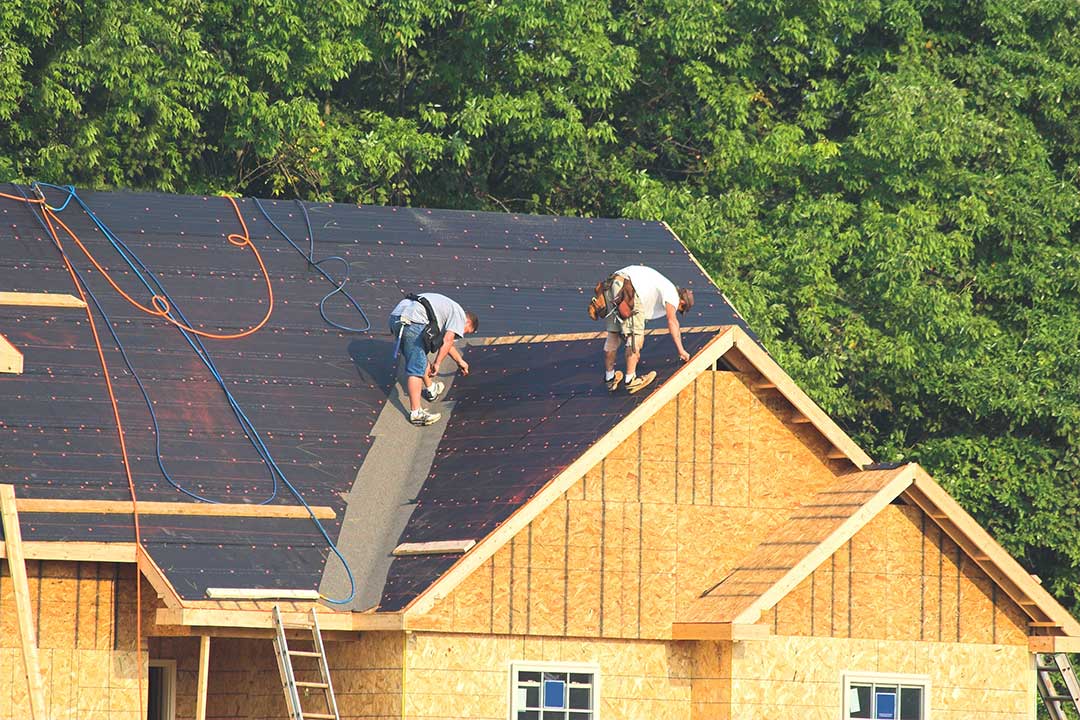
After a severe wind event, look from the ground for uneven rows, exposed underlayment, missing ridge caps, hanging metal, or debris in the yard. Avoid climbing onto the roof while it is wet, icy, or unstable. Falling branches and damaged electrical lines can create additional hazards.
Trees near a home deserve attention before storm season. Dead limbs, branches rubbing against roofing, and limbs that overhang a roof can cause direct impact damage and deposit leaves that retain moisture. Tree maintenance should be handled cautiously because cutting from ladders or working near power lines can be dangerous.
Does roof pitch affect weather performance?
Roof pitch influences how quickly water and snow move across a roof. Steeper roofs generally shed rain and snow more readily, while low-slope sections may hold moisture longer and require especially careful drainage and flashing.
Roof shape also matters. Valleys collect water and snow runoff from two slopes. Complex rooflines with dormers, extensions, and multiple intersections contain more transition points where flashing must remain secure.
This is one reason an addition, porch, or garage roof may show problems before the main roof. Different construction dates, materials, slopes, and ventilation patterns can cause sections of the same home to age at different rates.
What should residents check after severe weather?
A safe ground-level inspection can identify obvious warning signs without creating additional risk. Look for:
- Missing, curled, cracked, or displaced shingles
- Granules collecting in gutters or near downspout outlets
- Sagging roof lines or gutters
- Damaged flashing
- Water stains on ceilings or upper walls
- Damp insulation or darkened attic wood
- Branches, leaves, or other debris on the roof
- Ice buildup or blocked drainage paths
Urgent attention is warranted when a roof is actively leaking, visibly sagging, punctured, or damaged near electrical equipment. Buckets can help control interior water temporarily, but ceiling bulges should not be ignored because accumulated water can add weight to the ceiling.
How can weather-related roof damage be reduced?
Routine observation is more useful than waiting for an obvious leak. Keep gutters and downspouts clear, maintain nearby trees, inspect attic moisture, and watch for changes after major storms. Ensure that attic insulation and ventilation are functioning as a balanced system rather than blocking soffit openings or allowing warm air to escape around fixtures.
Roofing materials also have service lives, but age alone does not determine condition. A roof with good installation, drainage, ventilation, and limited storm exposure may perform differently from a roof of the same age with repeated moisture problems.
In a region with snowy winters and frequent seasonal changes, the most effective approach is to notice small changes early and treat water entry, structural movement, and storm damage as safety issues rather than cosmetic concerns.
