
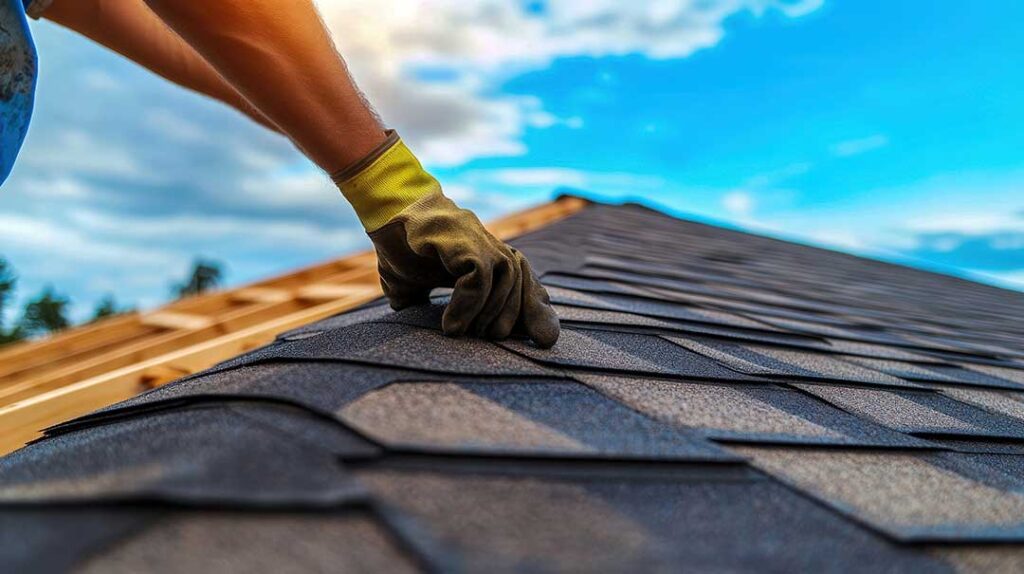
Roof leaks rarely begin with a dramatic failure. More often, water enters through a small weakness around a shingle, flashing joint, vent, or roof edge and gradually spreads through roofing materials, insulation, and ceilings. In Canastota, NY, seasonal snow, freeze-thaw cycles, wind, heavy rain, and aging housing materials can all contribute to roof problems.
Understanding the likely source helps residents recognize warning signs early and avoid confusing a ceiling stain with the actual point where water entered.
What are the most common causes of roof leaks?
The most common causes are damaged or aging shingles, failed flashing, blocked drainage, roof penetrations, ice dams, and problems around roof edges. Poor ventilation, storm damage, and neglected maintenance can make each of these conditions worse.
Damaged, missing, or aging shingles
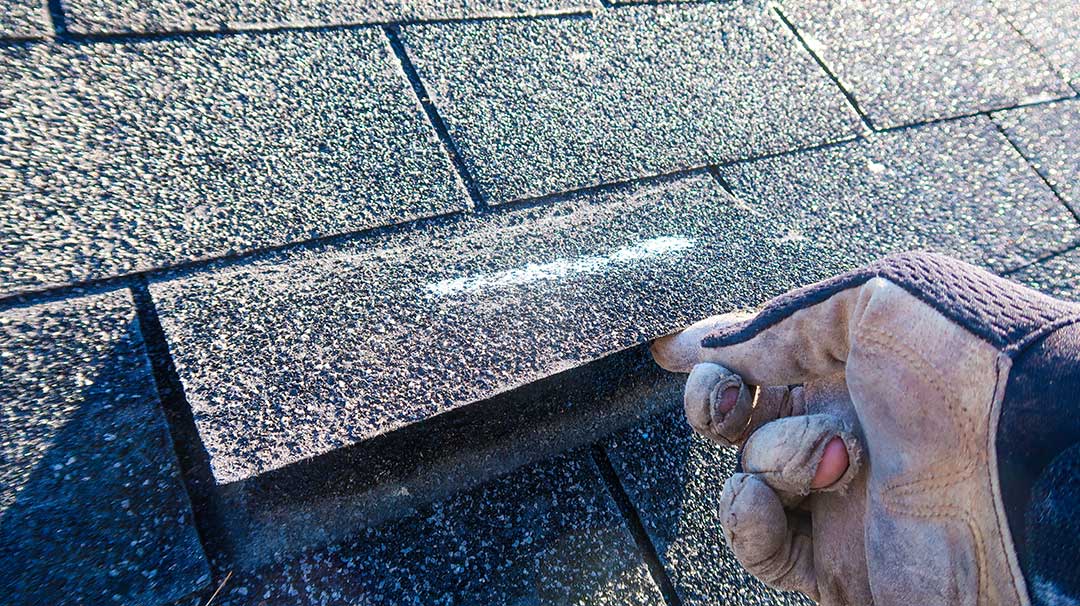
Asphalt shingles can crack, curl, blister, loosen, or lose protective granules over time. Strong wind may lift a shingle’s edges or remove it entirely, leaving the underlayment exposed to rain and melting snow.
A roof does not have to look severely damaged to leak. A single split shingle or exposed fastener can allow water into the roof assembly. Granules collecting in gutters, bare-looking patches, and uneven shingle surfaces are signs that the roofing layer may be losing its ability to shed water.
The age of the roof also matters. Materials become less flexible as they weather, making them more vulnerable during cold temperatures and sudden temperature changes.
How does flashing failure cause water intrusion?
Flashing is the material installed around joints and interruptions in the roof, including chimneys, wall intersections, valleys, skylights, and plumbing vents. It directs water away from vulnerable seams.
Flashing can leak when it:
- Pulls away from the surface
- Rusts or corrodes
- Cracks at a seam
- Loses its sealant
- Is installed incorrectly
- Is damaged during repairs or other roof work
Flashing problems are especially easy to overlook because the shingles around them may appear intact. Water can travel beneath the surface before appearing inside the home, sometimes several feet from the original entry point.
A stain near a chimney or exterior wall does not necessarily mean the water entered directly above that stain. Roofing layers, framing, and insulation can redirect moisture.
Why are roof valleys frequent leak locations?
A roof valley is the channel where two sloping roof sections meet. It collects water from both surfaces, so a defect in this area can expose the roof to a concentrated flow.
Leaves, pine needles, ice, and wind-driven debris may collect in valleys. Over time, debris can hold moisture against the roofing materials or interfere with drainage. Shingles may also crack or wear more quickly in valleys because they receive greater water flow.
Valley leaks may become more noticeable during heavy rain or rapid snowmelt. A small opening that does not leak during light precipitation can allow substantial water into the roof system during a prolonged storm.
Can clogged gutters cause a roof leak?
Yes. Clogged or poorly draining gutters can contribute to roof leaks, although the gutter itself is not always the original source of the problem.
When leaves and debris block the flow, water may back up beneath the roof edge or spill against fascia boards and exterior walls. In cold weather, standing water can freeze and expand. Repeated freezing and thawing may damage roofing edges, gutter connections, and nearby wood components.
Downspouts also affect roof drainage. If a downspout is blocked, disconnected, or releasing water too close to the foundation, overflow can occur during storms. Gutters should be checked periodically, particularly after autumn leaf fall and before winter weather.
How do ice dams lead to leaks?
Ice dams form when melting snow runs toward a colder roof edge and refreezes. The resulting ridge of ice can prevent water from draining normally. Water may then move beneath shingles and into the roof assembly.
Ice dams are more likely when heat escapes into the attic and warms the underside of the roof unevenly. Inadequate insulation, blocked soffit vents, and poor attic ventilation can contribute to this pattern.
A common misconception is that ice dams are caused only by heavy snowfall. Snow provides the material, but uneven roof temperatures create the melting and refreezing cycle. Even a moderate snow event can produce an ice dam under the right conditions.
After a winter storm, warning signs may include:
- Thick ice along the roof edge
- Icicles forming in a continuous line
- Water stains near exterior walls or ceilings
- Damp attic insulation
- Dripping during a midwinter thaw
Removing roof ice from the ground with tools can damage shingles and create a fall hazard. Roof access during snow and ice conditions should be treated as hazardous.
Do roof vents and plumbing penetrations leak?
Roof penetrations are common leak points because they interrupt the continuous roofing surface. Plumbing vent pipes, exhaust vents, skylights, satellite mounts, and other openings require carefully fitted boots, flashing, or seals.
Rubber vent boots can crack from age and temperature changes. Metal flashing may loosen, and sealant can shrink or separate. A leak near a bathroom or kitchen ceiling may be related to a roof penetration rather than a plumbing problem, although both possibilities should be considered.
Ventilation problems can also create moisture without an exterior leak. Warm, humid air entering a cold attic may condense on roof framing or roof sheathing. This can resemble a leak and may cause staining, mold growth, or damp insulation.
What roof-edge problems should homeowners watch for?
Roof edges experience wind exposure, snow sliding, ice buildup, and repeated wetting. Damage to fascia, soffits, drip edges, or the first rows of shingles can allow water to enter behind the visible roofing.
Wind may loosen edge shingles, especially if the adhesive strips have aged or were not properly bonded. Water can then move beneath the shingles and affect the roof deck or exterior wall.
Sagging roof edges are more serious than ordinary shingle wear. Sagging may indicate prolonged moisture damage, weakened framing, or excessive weight from snow and ice. It should not be treated as a cosmetic issue.
Can poor roof ventilation create leaks?
Poor ventilation does not always produce a direct exterior leak, but it can create conditions that damage the roof from inside. Excess heat and moisture may cause condensation, wood deterioration, mold, and premature shingle aging.
A balanced attic system generally allows air to enter near the lower roof edges and leave near the upper roof area. Blocking vents with insulation or storing items against ventilation openings can interfere with airflow.
Bathroom and kitchen exhaust fans should discharge outdoors through properly installed ducts rather than into the attic. Moist household air released into an attic can condense during cold weather and make the roof structure appear to be leaking.
What should residents do after noticing a ceiling stain?
A ceiling stain should be treated as evidence of water intrusion, even if the area is dry when inspected. Marking the stain’s edges and noting when it grows can help establish whether the problem is connected to rain, snowmelt, or indoor humidity.
If water is actively dripping, protect furnishings, place a container beneath the drip, and keep clear of electrical fixtures or wet wiring. Do not climb onto a wet, icy, or snow-covered roof. Visible sagging, widespread staining, electrical involvement, or structural damage requires prompt attention because the hazard may extend beyond the roofing surface.
Roof leaks are often easier to manage when identified before insulation, drywall, framing, and interior finishes remain wet for an extended period. Regular visual checks from the ground, clean drainage paths, and attention after major storms can reveal many problems before they become larger building issues.
