

How Do Local Weather and Seasonal Cycles Affect Roof Aging?
Roofs in Canastota, NY respond uniquely to the area’s winters, windy springs, and humid summers. The freeze-thaw cycles, lake-effect snow, and heavy rain especially stress roofing materials over the years. Salt mixtures used on roads and carried by wind can also wear away surfaces, while prolonged moisture may foster moss and algae.
What Aging Signs Are Common in Asphalt Shingle Roofs?
Asphalt shingles are a leading residential choice in the city, appreciated for their cost and familiarity. Typically, their most visible signs of aging look like:
- Curling or cupping edges on shingles—these may turn upward or downward after many seasonal cycles.
- Loss of granules: accumulations in gutters or around downspouts often mean older shingles are shedding their top protective layer.
- Cracking: colder winters sometimes cause thermal shock, leading to small splits and a brittle feel.
- Dark streaks or areas with moss: moisture retention can signal age-related water retention or lost granules.
While color fading alone is not urgent, when multiple signs appear together, they often point to advanced age.
How Does Roof Aging Look for Metal Roofing?
Metal roofs—seen more frequently on barns, renovated homes, and sheds—are valued for their durability with Canastota’s snow loads and rainfall. However, they still show age, often in these ways:
- Rust spots, especially near seams, fasteners, or any exposed metal, reflect coating breakdown or trapped moisture.
- Loose or missing fasteners and panels can result from wind uplift or repeated freeze-thaw swelling around attachments.
- Dents from hail, falling branches, or accumulated snow; significant changes in washable surface appearance may signal age or storm damage rather than normal wear.
Watch for patches with mismatched color (often a sign of older repairs) or edges that begin lifting—both can affect water tightness in the city’s varied climate.
Which Issues Are Unique to Wood Shake and Shingle Roofs?
While less common in modern installations, some older homes or outbuildings around Canastota use cedar shakes or shingles, either natural or treated. These age differently compared to more manufactured products:
- Splitting or checking: The wood may crack along the grain or exhibit surface checks due to repeated wetting and drying.
- Curling or cupping, especially on southern exposures, as repeated sun and moisture aging causes lifts or warps.
- Dark staining, patchy moss, or lichen: Persistent dampness can worsen fungal growth that speeds underlying material breakdown.
- Noticeable thinning or missing shakes, often at roof edges or windward sides.
A common misconception is that all discoloration is a problem—some graying is natural for untreated wood, but soft, rotten patches or punky texture are not.
What About Tile or Slate Roofs?
While less frequently found on homes in Canastota, tile and slate appear on some historic properties, churches, and distinctive local buildings. These durable materials reveal age in subtle ways:
- Cracked, loose, or missing tiles or slates—early warning signs, especially at the edges and valleys.
- Efflorescence: A powdery white deposit or streaking from beneath tiles suggests long-term moisture travel through the material.
- Sagging or uneven rooflines may occur if older underlayment deteriorates, even if the visible surface tile looks intact.
- Shifting of pieces: Freeze-thaw cycles and historic repairs may cause slates or tiles to slip out of alignment over decades.
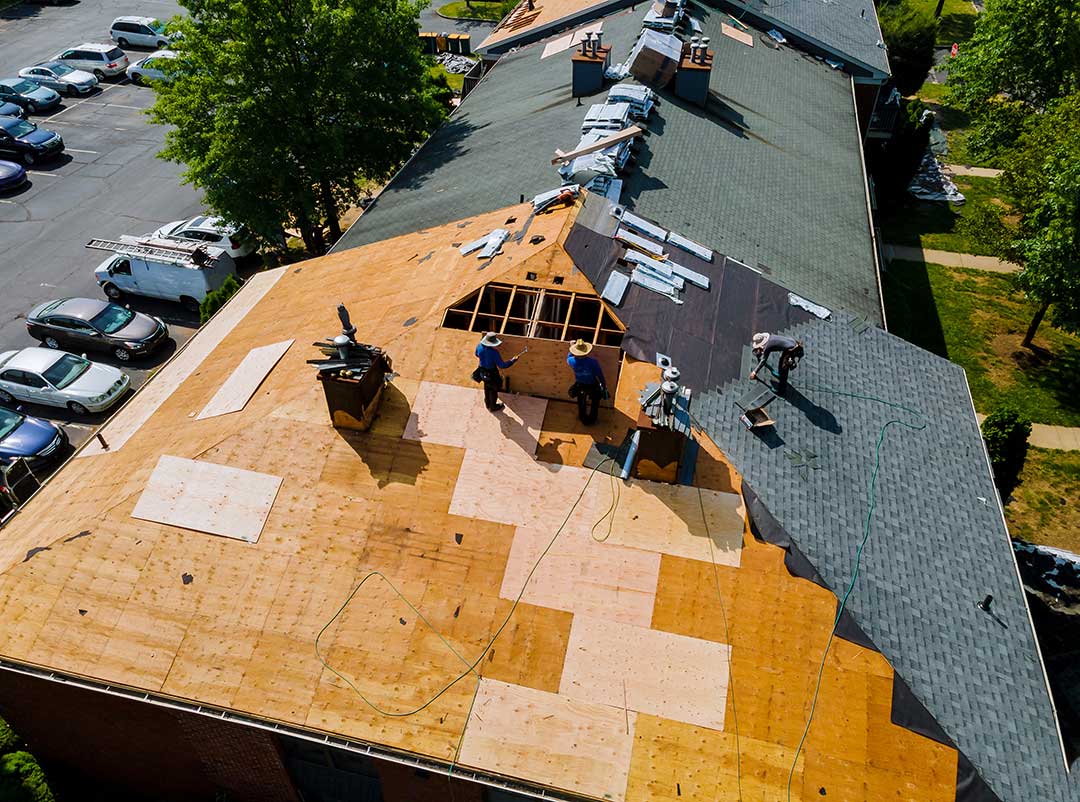
Despite their longevity, regular visual checks help prevent minor issues from compounding, especially after ice storms or seasonal wind gusts.
How Can Residents Safely Check for Roof Aging from the Ground?
Area households can spot many signs of roof aging without needing to climb a ladder, minimizing risks. Look for:
- Shingle granules below downspouts or in driveway snowmelt.
- Unusual patterns—darker/blotchy patches, lifted shingles, or warped rooflines—from yards or sidewalks.
- Outer mold, moss, or algae streaks on visible roof faces, especially northern or shaded sides.
- Bent or lost metal panels/seams visible from outbuildings or garages.
A good pair of binoculars helps, especially after a windstorm or late winter, and periodic checks in different weather throws light on evolving issues.
Are There Common Misunderstandings About Roof Aging?
Many residents believe that only leaks or water stains inside the house matter. However, by the time water has entered interior spaces in Canastota homes, roof aging may already be advanced. Some also assume moss is only cosmetic; in reality, heavy moss can trap moisture and speed underlying decay.
Another myth is that age is only measured in years. Sun exposure, wind, snow removal methods, and even tree cover can make two neighboring roofs age at very different rates.
What Other Roof Types Need Special Attention Locally?
Flat or low-slope roofs, which appear on porches, additions, or garages, deserve mention. Here, aging often appears as:
- Blistering or bubbling of membrane surfaces after repeated freezing and thawing.
- Ponding water or persistent puddles after rain, reflecting sagging or damaged drainage.
- Exposed seams or laps, which can pull apart or crack over time.
Timely visual checks, particularly after storms or long wet periods, help spot these issues early.
