
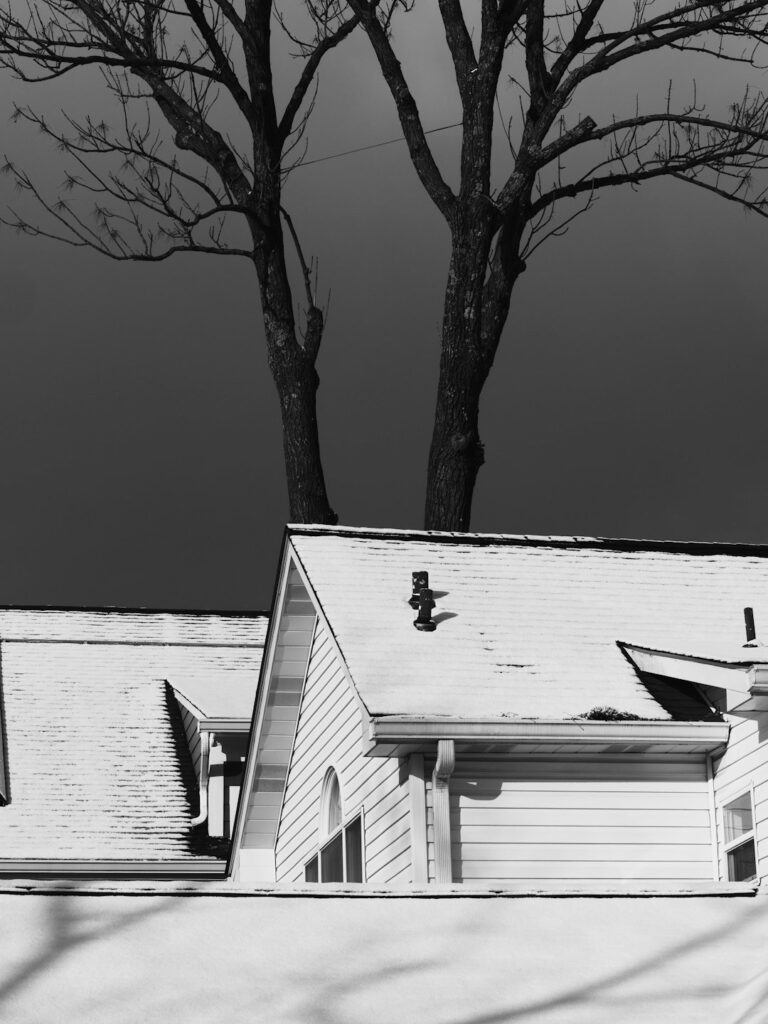
Roofing materials differ in cost, weight, lifespan, appearance, maintenance needs, and performance in changing weather. For homeowners in Canastota, the most suitable choice usually depends on roof design, winter conditions, structural capacity, budget, and how long the household expects to remain in the property.
No single material is best for every home. A practical comparison should consider the entire roofing system, including underlayment, flashing, ventilation, ice protection, drainage, and installation quality.
Which roofing materials are most common?
The most widely used residential options are asphalt shingles, architectural shingles, metal roofing, wood shingles or shakes, slate, and clay or concrete tile. Synthetic roofing products are also available and are often designed to resemble slate, wood, or tile.
Each material has a different balance of affordability, durability, appearance, and weight.
Are asphalt shingles a practical choice?
Asphalt shingles are usually the most accessible and familiar roofing material for residential construction. They are available in many colors and styles, and damaged sections can generally be repaired without replacing the entire roof.
Advantages of asphalt shingles
- Lower initial cost than many premium materials
- Suitable for a wide range of roof shapes and pitches
- Relatively simple to repair or replace
- Broad availability of compatible accessories and replacement shingles
- Lighter than slate, concrete tile, and many other heavy coverings
Basic three-tab shingles are generally less expensive but have a simpler appearance and shorter expected service life. Architectural shingles are thicker, more dimensional, and often provide better wind resistance and visual depth.
Limitations of asphalt shingles
- Shorter service life than metal, slate, or tile
- Can lose granules as they age
- May become brittle after years of repeated freezing and thawing
- Dark surfaces can absorb substantial summer heat
- Poor attic ventilation can contribute to premature deterioration
For many households, asphalt shingles offer a reasonable balance between cost and performance. Their effectiveness depends heavily on proper installation and keeping the roof deck, flashing, and ventilation in good condition.
What are the pros and cons of metal roofing?
Metal roofing can be made from steel, aluminum, copper, or other alloys. Residential metal systems may use exposed fasteners, concealed fasteners, standing seams, or stamped panels that imitate shingles or tile.
Metal roofing is often valued for its long service life and resistance to wind, rain, and fire. Smooth surfaces can also shed snow more readily than some textured materials, although that may create a safety concern above walkways, entrances, and lower roofs.
Advantages of metal roofing
- Often lasts longer than standard asphalt shingles
- Resists rot, insects, and many forms of moisture damage
- Available in a range of colors and profiles
- Can be recyclable at the end of its useful life
- Usually weighs less than slate or concrete tile
- Performs well on many roof styles when properly detailed
Limitations of metal roofing
- Higher initial cost than common asphalt products
- Poor installation can lead to leaks around fasteners, seams, or penetrations
- Snow and ice may slide suddenly from smooth panels
- Expansion and contraction can produce movement or noise
- Matching older panels or coatings during repairs may be difficult
Metal does not automatically mean maintenance-free. Fasteners, sealants, flashing, protective coatings, and areas around chimneys or roof penetrations still require periodic inspection.
Are slate roofs worth their weight and cost?
Natural slate is a stone roofing material known for its appearance and very long potential lifespan. Properly installed slate can remain serviceable for many decades, but it is not appropriate for every structure.
Benefits of slate
- Exceptional durability when the stone and installation are suitable
- Strong resistance to fire, insects, and rot
- Distinctive appearance that can complement older or historic homes
- Individual pieces can sometimes be replaced without removing the entire roof
Drawbacks of slate
- Very heavy compared with asphalt and many metal systems
- Higher material and installation cost
- Brittle and vulnerable to cracking if walked on improperly
- Requires specialized knowledge for repair
- May require structural review before installation

A house that has always had slate may already be designed for its weight. Switching another roofing material to slate is a different matter and should not be treated as a simple covering change.
How do clay and concrete tiles perform?
Clay and concrete tiles are durable, fire-resistant materials with strong visual character. They are more common in some architectural styles than others and may be difficult to integrate with homes designed for lighter roofing.
Tile can perform well when the roof structure, slope, underlayment, flashing, and drainage system are properly designed. Concrete tile is typically heavier than clay, while clay tile may be more vulnerable to impact or cracking in certain conditions.
The main concern for many existing homes is weight. Snow accumulation adds another seasonal load, so the supporting roof structure must be capable of carrying the complete assembly safely.
What about wood shingles and shakes?
Wood roofing offers a natural appearance and is often associated with traditional or rustic homes. Shingles are usually sawn more uniformly, while shakes tend to have a more textured, split appearance.
Wood can provide good visual appeal but generally requires more maintenance than asphalt or metal. Moisture, moss, algae, insects, poor ventilation, and trapped leaves can shorten its life. Regular attention to clearance from overhanging branches and the removal of debris is especially useful.
Wood roofing may also face fire-related limitations depending on the product, installation, and applicable code requirements. It should be selected with local building regulations and insurance requirements in mind.
Are synthetic roofing products a good alternative?
Synthetic shingles and tiles are manufactured from polymers, rubber, composite materials, or blends. Many are designed to imitate slate, wood, or tile while weighing less than natural versions.
Potential advantages include lower weight, impact resistance, consistent appearance, and easier handling. However, product quality varies, and long-term performance depends on the specific material, exposure conditions, installation method, and availability of replacement pieces.
A synthetic product should be evaluated by its tested performance, warranty terms, repairability, and compatibility with the roof structure rather than by appearance alone.
Which roofing material handles Canastota’s weather best?
The local climate makes moisture management, winter snow, ice, wind, and freeze-thaw movement important considerations. New York residential construction requirements account for structural roof loads, including snow loads, and roofing assemblies must be compatible with the building’s design.
For area homes, useful questions include:
- Can the roof structure support the material and expected snow accumulation?
- Is the roof steep enough for the chosen covering?
- Will snow slide toward doors, decks, or pedestrian areas?
- Is an ice-barrier underlayment required for the roof design?
- Are valleys, eaves, chimneys, and wall intersections properly flashed?
- Does the attic have adequate ventilation and insulation?
- Will the material tolerate repeated wetting and freezing?
A roof that sheds water well can still develop problems if ice dams form at the eaves or if warm attic air melts snow unevenly. Material choice matters, but roof design and moisture control matter just as much.
What should homeowners compare before choosing?
Initial price is only one part of the decision. Compare the expected service life, maintenance needs, repair difficulty, weight, energy characteristics, appearance, and disposal or replacement requirements.
A lower-cost roof may be sensible for a modest home or limited budget. A higher-cost material may make more sense when long-term durability, architectural appearance, or reduced replacement frequency is a priority.
The best choice is usually the material that suits the existing structure and roof design—not simply the material with the longest advertised lifespan.
When does the roof structure need special attention?
Structural review becomes especially important when replacing a lightweight covering with slate, concrete tile, clay tile, or another heavy system. It is also relevant when the roof has visible sagging, previous water damage, unusual framing, or a history of heavy snow accumulation.
Any roofing work involving steep slopes, fragile materials, electrical equipment, or unstable snow and ice conditions presents a genuine safety risk. In those situations, the condition of the structure and the safety of the work area should be addressed before material selection is finalized.
